All Categories
Featured
Affordable Final Expense or Burial Insurance for Seniors
Table of Contents
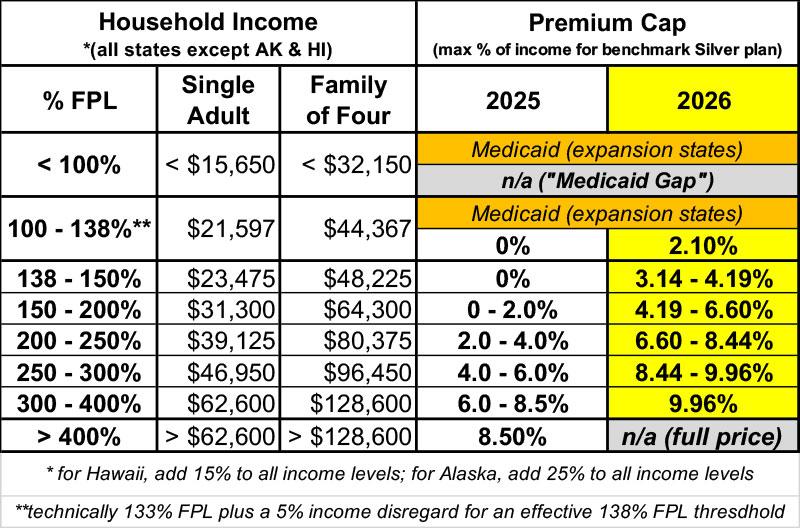
Those enhanced aids are scheduled to end at the end of this year. Whether to let them end or extend them is at the center of the ongoing government shutdown. The majority of Democrats are insisting they be extended while a lot of Republicans want them to end. It is necessary to keep in mind that the federal cash goes to insurer, not to individuals enrolled in their health insurance.
In Pennsylvania where I live, premiums for policies bought on the state's insurance exchange are anticipated to increase 102% next year since of the anticipated end of the aids and premium inflation. More than 24 million Americans now get their coverage through the ACA market, mostly because their employers can not offer health insurance as an employee benefit anymore.
Simply slightly majority of U.S. services are still in the game. The rest simply can't manage the premiums. Small businesses can expect an average increase of 11% next year with some of them dealing with boosts of 32%. It is ending up being more clear every death year that the U.S. has one of the most insidious methods of rationing care.
And amongst those most disadvantaged by the current system are hard-working low- and middle-income Americans with persistent conditions and those who unexpectedly get sick or injured. While the Affordable Care Act prohibited insurance companies from charging people with pre-existing conditions more than healthier individuals, insurance companies have actually determined a back door way to discriminate against them: by making them pay hundreds or thousands of dollars out of their own pockets every year in addition to their premiums and likewise by declining to cover treatments and medications their doctors say they require.
Securing Family Financial Security With Life Insurance
These aids have kept coverage budget-friendly for millions, sustained small organization growth, and stabilized state health systems throughout one of the most unstable financial durations in current memory. Without them, the hit to many folks might be a Mike Tyson blow to the face.
Rep. Keith S Harris Pennsylvania has a Children's Health Insurance Program that offers free and low-priced health care insurance to kids. CHIP is not welfare it covers children of working parents whose companies do not use coverage and who can't afford personal insurance. If you can't afford medical insurance for your kids, chances are they are eligible for CHIP.
Medicare in IrvineNeed to not be eligible for Medicaid or have any other medical insurance. Must be under age 19. Must be a U.S. resident or lawful alien. Need to be a Pennsylvania homeowner for at least one month, except for a newborn.
Please contact us via Phone, Text or Email: We are Covered California licensed, which implies we'll help you get health insurance coverage online, via email or over the phone. Our objective is to make acquiring Health Insurance simple for you! We will help you determine if you qualify for financial assistance and ensure you complete the Covered California application properly.
CHIP is the Children's Medical insurance Program. Developed in 1997 by Congress, the program supplies medical insurance for children from low and middle-income households who make excessive to receive Medicaid, however have limited access to personal insurance.
Mechanics of Permanent Life Insurance to Protect Families
A Health Savings Account conserves you money on health care expenses by letting you reserved money to pay for competent medical expenditures, like deductibles, copayments, coinsurance, and even some oral, drug, and vision expenditures, without paying taxes on it. (Funds generally can't be utilized to pay strategy premiums.) These accounts are used by banks, cooperative credit union, and other banks.
You select how much to contribute based upon your spending plan even small regular monthly contributions can build up substantially with time. There's no minimum amount you require to put in, but there's a yearly limitation you can't discuss. Health Savings Accounts provide a number of tax advantages: you can deduct contributions from your taxable earnings, what you do not spend stays in the account and rolls over year to year, and any interest made isn't taxed.
By using untaxed dollars to pay for qualified medical expenditures, you can decrease your out-of-pocket health care costs.
Oct. 22, 2025, 9:22 a.m. ETIf it appears like your medical insurance costs is increasing quicker than your paycheck, you're not mistaken. The typical expense for a household health insurance strategy used through the work environment was $26,993 in 2025, an increase of 6% from a year earlier, according to the annual employer health advantages study released Oct.
By comparison, workers earnings grew 4% and inflation is up 2.7% from a year earlier. Other surveys task steeper cost hikes are on the way for 2026. Working-age Americans who get medical insurance through their jobs will see the largest health expense increases next year considering that 2010, according to Mercer, a benefits consultant.

Latest Posts

Why Indexed Universal Life Builds Value
Exploring Final Expense Insurance Benefits for Veterans

Essential Part D Selection Tips in 2026